Condition Assessments & Prioritization
Before a single scaffold is erected or a trowel lifted, you must understand exactly what the building needs. A comprehensive condition assessment is the foundation of any restoration project. We review the entire structure, examining previous interventions, inherent material flaws, and environmental damage.
Armed with this data, the most critical step is prioritizing the repairs. We organize required works into a logical triage hierarchy:
- Make Safe: Addressing immediate hazards to the public, such as loose high-level masonry or unstable ceilings.
- Make Weather-tight: Stopping active water ingress through roof repairs, gutter renewals, and pointing defects.
- Consolidate & Dry: Allowing the building to slowly dry out and stabilize before sensitive internal work begins.
- Restore & Refine: Undertaking aesthetic repairs, interior plasterwork, decorative conservation, and accessibility improvements.
Phased Maintenance & Project Preparation
Major church restorations are invariably expensive and deeply complex. Attempting to tackle all problems simultaneously is rarely feasible for a parish or heritage trust. We excel in breaking vast restoration requirements into realistic, phased packages of work. Phasing allows a community to fundraise strategically, apply for grants in stages, and keep the building operational for worship as much as possible.
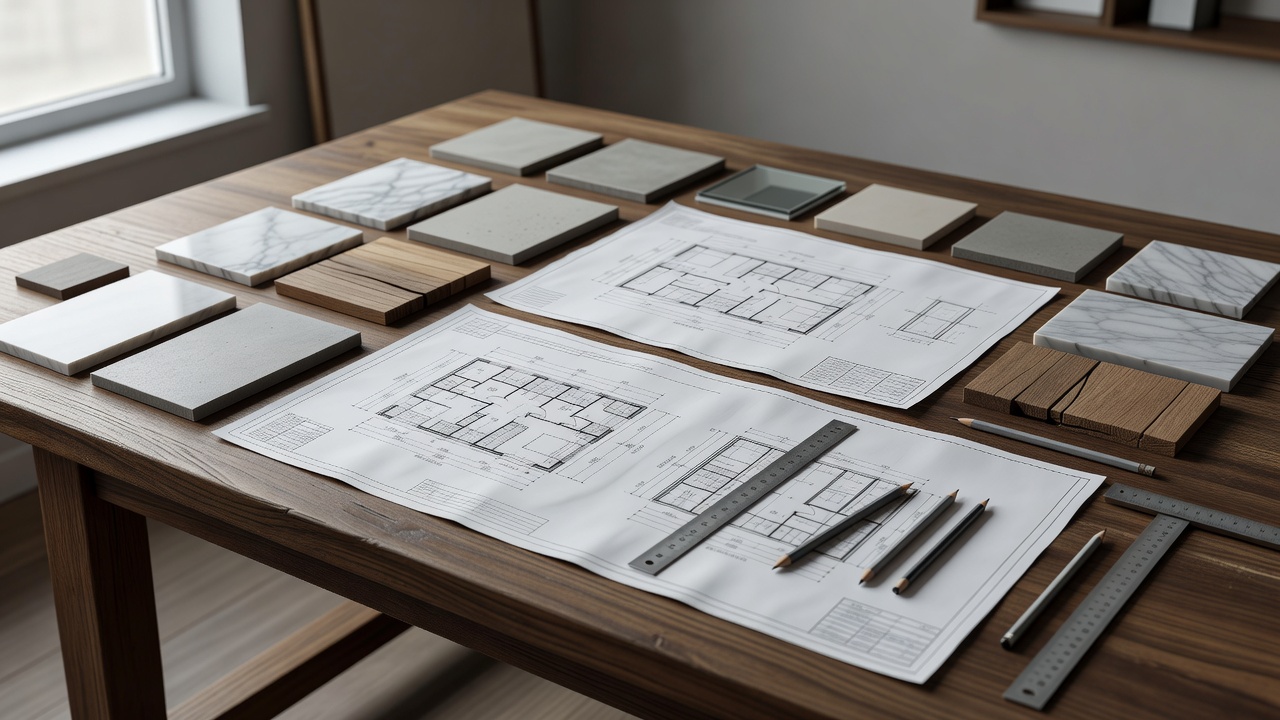
During the preparation phase, documentation is key. We help collate the necessary schedules of work, material specifications, and architectural drawings required for faculty applications and secular planning permissions. Clear, highly detailed specifications ensure that when contractors bid on the work, they are all pricing exactly the same methodologies and materials, avoiding costly misunderstandings later.
Contractor Coordination
A heritage restoration is only as good as the craftspeople executing the work. Historic building conservation requires specialists—traditional stonemasons, lead workers, lime plasterers, and timber framers. Working with general construction firms that lack heritage experience often results in well-intentioned but disastrous modern interventions.
We assist in the procurement process, helping to identify appropriately qualified contractors and reviewing methodologies. During the works, we provide technical coordination and oversight, ensuring the work adheres strictly to the approved conservation specifications and that unforeseen discoveries (which are inevitable in ancient buildings) are handled correctly and recorded accurately.
Long-term Stewardship
A restoration project does not end when the scaffolding comes down. We help transition the focus from major capital works back into cyclical preventative maintenance. By delivering an updated, post-restoration maintenance plan, we empower the building's custodians to protect their investment and ensure the newly restored fabric lasts for the next century.
Preparation Checklist:
- Establish clear, prioritized goals based on structural necessity, not just aesthetic desire.
- Secure all necessary ecclesiastical (faculty) and secular planning consents before proceeding.
- Ensure funding is secured for the entire phase, plus a robust contingency budget for hidden defects.
- Verify that all appointed contractors have demonstrable experience working with traditional materials.